
Blog
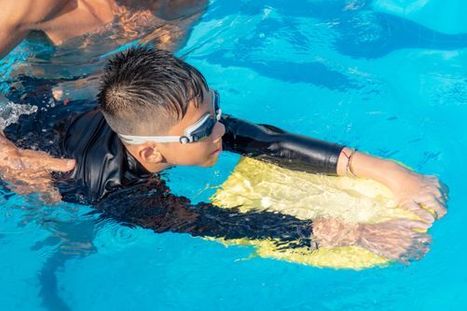
What to Expect During Your Child's First Swim Lesson at Hudson Valley Swim Boca Raton
Enrolling your child in swim lessons is an exciting step, but it's also natural to have questions before that first class. Will they be comfortable in the water? What will they actually do? Will they be expected to swim right away?
At Hudson Valley Swim Boca Raton, we understand that every child starts their swimming journey at a different place. Some children can't wait to jump into the pool, while others need a little extra time to build confidence. That's exactly why our lessons are designed to meet swimmers where they are and help them progress one step at a time.
Your child's first lesson isn't about swimming across the pool. It's about creating a positive experience, building trust with their instructor, and introducing the foundational skills they'll continue developing throughout their swim journey.
We'll Start by Placing Your Child in the Right Class
Every swimmer is different, which is why we offer age and skill-appropriate programs instead of a one-size-fits-all approach.
Our youngest swimmers begin in Pollywog, where parents are in the water alongside their child. As children gain confidence, they progress through programs like Goldfish, Starfish, Lionfish, and beyond, with each level introducing new skills while reinforcing those they've already learned.
more
What to Bring to Your First Swim Lesson in Boca Raton, FL: A Complete Checklist
Starting swim lessons is an exciting milestone, whether you're enrolling a young child or learning to swim yourself.
It's normal to have a few questions before your first visit. What should you bring? What should you wear? Is there anything you should do before arriving?
The good news is that preparing for your first swim lesson is simple.
At Hudson Valley Swim, we want every swimmer to feel comfortable and confident from the moment they walk through our doors. Bringing a few essential items, and knowing what to expect, can help make your first lesson a smooth and enjoyable experience.
For families in Boca Raton, where neighborhood pools, beautiful beaches, and year-round warm weather make swimming part of everyday life, arriving prepared helps swimmers begin building confidence from their very first lesson.
Arrive Ready to Swim
One of the easiest ways to prepare is by arriving dressed in your swim attire.
Our facilities include changing pods on the pool deck if you need them after your lesson, but we recommend arriving ready to swim so you can check in, meet your instructor, and get into the water without feeling rushed.
more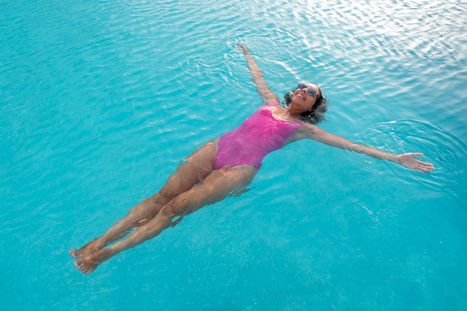
Why Learning to Float Can Save Your Life in Boca Raton, FL
When people think about learning to swim, they often picture freestyle, backstroke, or diving into the pool.
But one of the most important water skills isn't a swim stroke at all.
It's learning how to float.
Living in Boca Raton means being surrounded by water, from neighborhood pools and resort-style communities to miles of beautiful Atlantic coastline. At Hudson Valley Swim, floating is one of the first skills we introduce in our swim lesson programs because it helps swimmers build confidence, stay calm, and develop the foundation for everything that comes next. Whether someone is a young child taking their first lesson or an adult learning to swim later in life, knowing how to float is one of the most valuable skills they can develop.
While floating alone is not a substitute for knowing how to swim, it is an important survival skill that can make a meaningful difference if someone unexpectedly finds themselves in deep water.
Why Floating Is One of the First Skills Taught
Learning to float isn't simply another milestone in swim lessons. It's one of the building blocks that supports every other swimming skill.
more
What Makes a Great Swim Instructor? 7 Things Every Parent Should Look For
When you're looking for swim lessons for your child, it's easy to compare class schedules, pricing, and locations. But one of the most important factors in your child's success is often the person standing in the water with them—their swim instructor.
A great swim instructor does much more than teach strokes. They help children build confidence, develop life-saving skills, overcome fears, and create a positive relationship with the water that can last a lifetime.
So, how do you know if you've found the right instructor? Here are seven qualities every parent should look for.
1. They Know How to Connect with Children
Every child learns differently. Some jump into the water with excitement, while others need time to build trust and confidence.
An exceptional swim instructor understands how to meet each child where they are. They know how to encourage nervous swimmers, celebrate small victories, and make lessons enjoyable without losing sight of important safety skills.
Building a connection with a child is often the first step toward building confidence in the water.
2. Safety Always Comes First
Swimming is fun, but safety should always be the foundation of every lesson.
more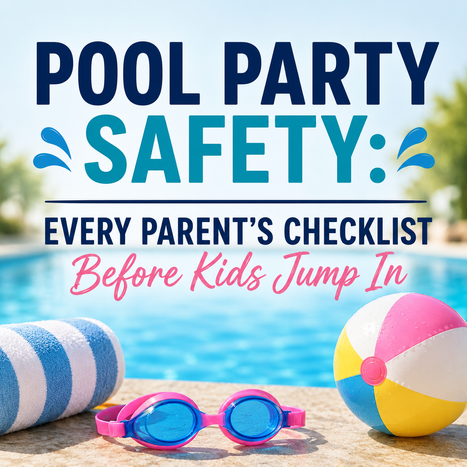
Pool Party Safety: Every Parent's Checklist Before Kids Jump In
Preparing for summer pool parties is exciting for kids—but for parents, it also means thinking about water safety. Whether you're attending a birthday party, spending the afternoon at your neighborhood pool, or enjoying a family vacation, it's important to remember that fun around the water comes with responsibility.
In South Florida, where pools are a part of everyday life, knowing how to keep children safe is essential. Even children who have some swimming experience need active supervision and clear safety rules whenever they're around the water.
Here's a simple checklist every parent can use before the next pool party.
Before You Arrive
A little planning can make a big difference.
Before heading to a pool party, talk with your child about expectations. Review basic pool rules, remind them to listen to adults, and discuss what they should do if they ever feel uncomfortable in the water.
If your child is still learning to swim, let the host know ahead of time so everyone understands their swimming ability.
Questions to Ask the Host
It's perfectly okay to ask a few questions before the party.
Consider asking:
Will there be a designated adult supervising the pool?
more
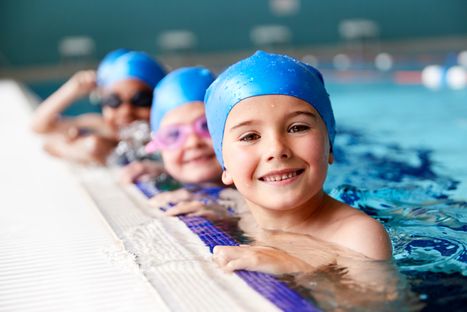
Why Consistency Is the Secret to Learning to Swim in Boca Raton, FL
Whether you're enrolling your child in swim lessons or learning to swim yourself, it's natural to wonder how quickly progress will happen.
Some people seem to gain confidence in the water almost immediately, while others feel like they're making slower progress. Then life gets busy. A vacation, illness, or a packed schedule leads to a few missed lessons, and it can feel like you're back where you started.
The good news is that this is completely normal.
Learning to swim is much like learning to ride a bike, play an instrument, or speak a new language. Progress doesn't happen overnight. It develops through regular practice, repetition, and growing confidence over time.
In Boca Raton, where residents enjoy year-round sunshine, beautiful Atlantic beaches, neighborhood pools, and an active aquatic lifestyle, building strong swimming skills is one of the best ways to stay safe and confident around the water. The city is home to multiple public aquatic facilities and miles of beaches that make swimming a part of everyday life for many residents.
The biggest factor in long-term success isn't natural talent. It's consistency.
Swimming Skills Are Built Through Repetition
more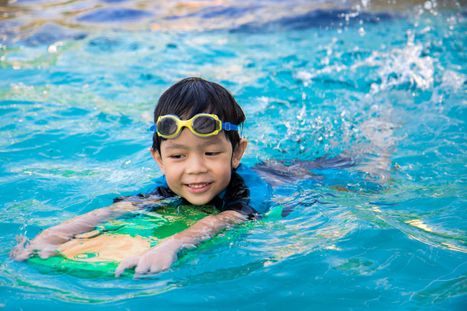
How Long Does It Take Kids to Learn to Swim? A Boca Raton Parent’s Guide
For many parents in Boca Raton, one of the most common questions before signing up for swim lessons is simple:
“How long will it take for my child to learn to swim?”
The honest answer is that it depends on what “learning to swim” means for your child.
For some swimmers, learning to swim means becoming comfortable in the water, floating independently, and building basic safety skills. For others, it means confidently swimming across the pool, understanding multiple strokes, and feeling comfortable in deeper water.
At Hudson Valley Swim, many children begin building confidence and foundational skills during an 8-week swim session through our swim lesson programs, but swimming is often a gradual process that develops over time. Just like learning to read, ride a bike, or play a sport, progress happens through consistency, repetition, and practice.
The good news is that most families start noticing meaningful progress much sooner than they expect.
What Progress Can Families Expect During an 8-Week Swim Session?
At Hudson Valley Swim, lessons are structured into 8-week sessions to help swimmers build confidence through consistent instruction and repetition. While every child progresses differently, many swimmers begin developing important foundational skills during their first session.
more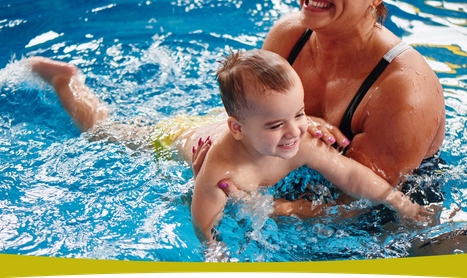
When Is the Best Age to Start Swim Lessons in Boca Raton, FL?
For many parents, one of the biggest questions about swim lessons is simple:
When should my child start?
Some parents wonder if their child is too young. Others worry they may have waited too long.
The truth is, there is no one “perfect” age for every child. Every swimmer develops differently, and comfort around water depends on factors like age, confidence, maturity, and previous water exposure.
However, most swim professionals agree on one thing:
Earlier exposure to water in a safe, structured environment can help children build confidence and stronger safety habits over time.
For many families in Boca Raton, swim lessons are not just about learning strokes. They are about helping children become safer, more confident, and more comfortable around water.
Why Starting Swim Lessons Earlier Can Make a Difference
Many parents wait until summer begins, an upcoming vacation approaches, or their child is invited to more pool parties before thinking about swim lessons.
In reality, confidence around water is usually built gradually through repetition and positive experiences.
Starting swim lessons earlier gives children more time to:
more
When Should My Child Start Swim Lessons? A Parent's Guide to Water Safety
When Is the Right Time to Start Swim Lessons?
One of the most common questions parents ask is:
"When should my child start swim lessons?"
The answer may surprise you.
Many parents assume swim lessons should wait until elementary school, but experts agree that introducing children to the water early can help them develop confidence, comfort, and important water safety skills.
Whether your child is an infant, toddler, preschooler, or older child, it's never too early—or too late—to begin building a foundation for water safety.
Why Early Swim Lessons Matter
For families living in Florida, water is part of everyday life.
From backyard pools and community pools to beaches and vacations, children are exposed to water regularly.
Early swim lessons can help children:
Become comfortable in the water
Learn essential safety skills
Build confidence
Develop coordination and motor skills
Establish healthy habits around water
Most importantly, swim lessons can help children learn how to respond safely in aquatic environments.
Swim Lessons for Infants and Toddlers
more
5 Reasons Boca Raton Families Choose Hudson Valley Swim
Finding the Right Swim School Matters
When it comes to your child's safety and confidence in the water, choosing the right swim school is one of the most important decisions you'll make.
With so many options available, Boca Raton parents often ask:
"What makes Hudson Valley Swim different?"
The answer goes beyond teaching swimming strokes. At Hudson Valley Swim, we focus on helping children develop confidence, water safety skills, and a lifelong love of swimming in a supportive environment.
Here's why so many Boca Raton families trust us with their swimmers.
Small Class Sizes Mean More Personalized Attention
Every child learns differently.
Some swimmers are eager to jump right in, while others need extra time and encouragement to build confidence.
That's why we keep our class sizes small.
Smaller classes allow our instructors to:
Provide more one-on-one guidance
Focus on each swimmer's individual needs
Monitor progress closely
Create a comfortable learning environment
This personalized approach helps swimmers gain skills faster while feeling supported every step of the way.
more
Is It Ever Too Late to Learn to Swim? (For Adults)
If you’ve ever thought, “I should have learned this as a kid,” you’re not alone.
Many adults go through life without knowing how to swim or feeling confident in the water. Whether it’s due to fear, lack of access, or simply never having the opportunity, the question often comes up:
Is it ever too late to learn to swim?
The answer is simple: Absolutely not.
Why So Many Adults Never Learned to Swim
Before we talk about solutions, it’s important to understand why this is so common.
1. Fear or Past Experiences
A negative experience in the water, especially as a child, can create lasting fear.
2. Lack of Access Growing Up
Not everyone had access to pools, swim programs, or structured lessons.
3. Embarrassment or Self-Consciousness
Many adults feel hesitant to start because they worry about being judged.
The Truth: Adults Can Learn to Swim at Any Age
Learning to swim isn’t about age; it’s about the right environment and instruction.
In fact, adult swim lessons are designed specifically for:
Beginners with little to no experience
Adults overcoming fear of water
Swimmers looking to improve technique and endurance
more

The Real Reason Drowning Is the #1 Risk for Toddlers—and How to Prevent It
For many parents, the biggest concerns for their toddlers are things like falls, illness, or car safety. But what most don’t realize is this:
Drowning is the #1 cause of accidental death for children ages 1–4.
It’s a statistic that’s both shocking and preventable. Especially in places like Florida, where pools, beaches, and water are part of everyday life, understanding why this risk is so high and what you can do about it can truly save lives.
Why Is Drowning the #1 Risk for Toddlers?
1. Toddlers Are Naturally Curious
Children between 1 and 4 years old are constantly exploring. Water is attractive, fun, and often nearby, but toddlers don’t understand danger.
A pool, bathtub, or even a bucket of water can become a serious hazard in seconds.
2. Drowning Is Silent and Fast
Unlike what we see in movies, drowning doesn’t involve splashing or yelling.
It is:
Silent
Quick (can happen in under 30 seconds)
Often unnoticed
This is why even a brief lapse in supervision can lead to tragedy.
3. Lack of Water Safety Skills
Most toddlers simply don’t have the skills to:
more